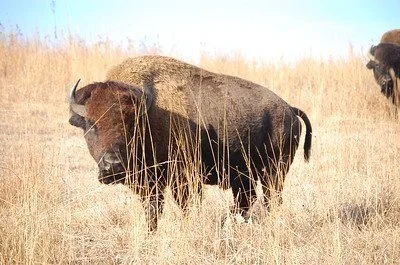
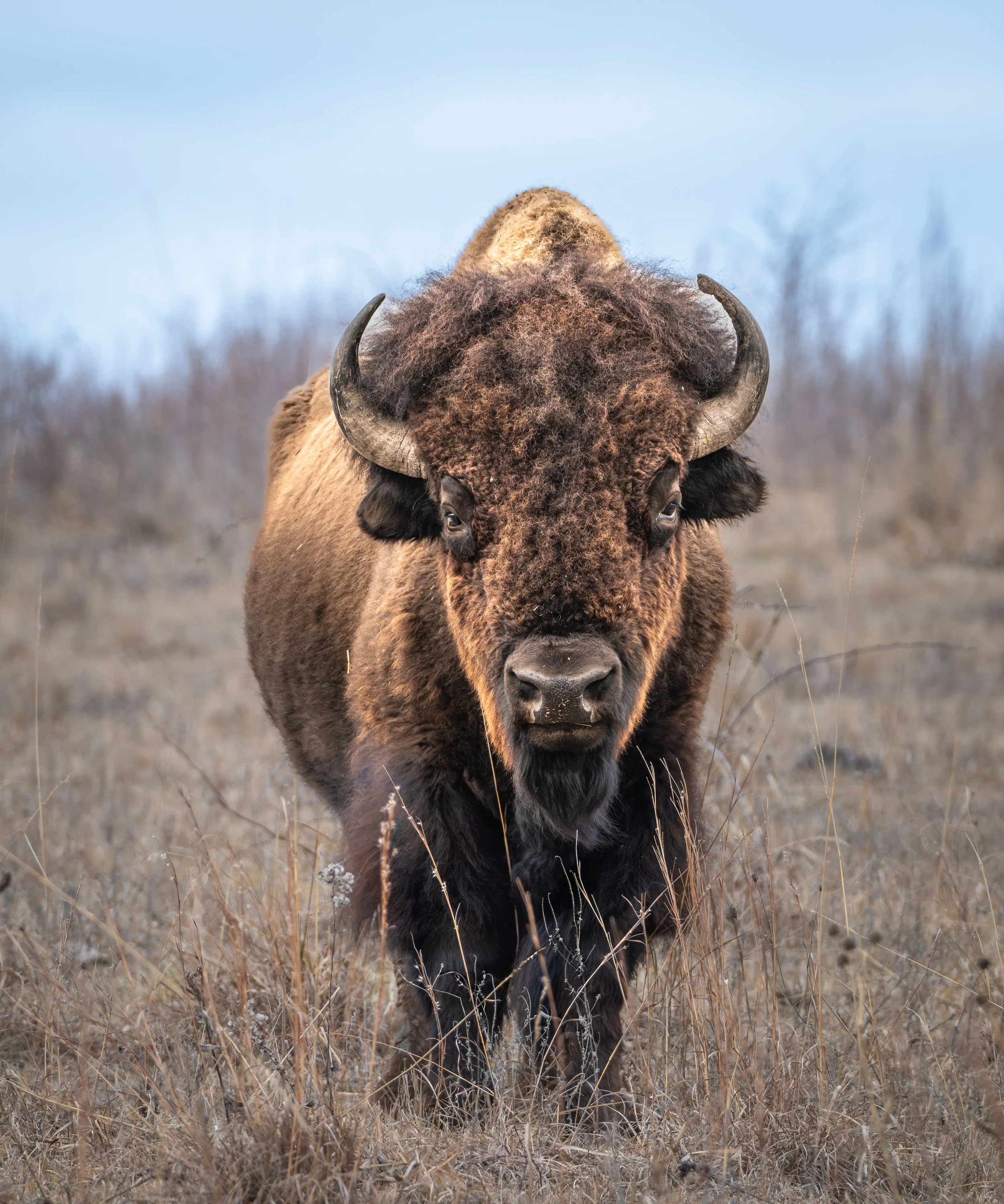
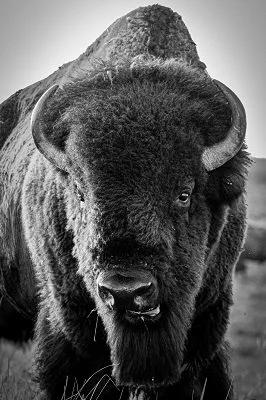
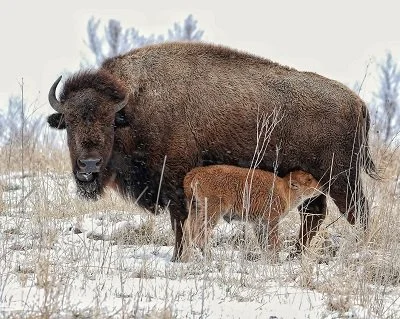
Photos are from entries in the Annual Photography Contest.
Bison Thrive at Neal Smith National Wildlife Refuge: A Model for Conservation and Low-Stress Management
Once on the brink of extinction, American bison are making a remarkable comeback, thanks in part to dedicated conservation efforts at places like the Neal Smith National Wildlife Refuge (NSNWR). What began with an estimated 50-75 million bison across the continent before European arrival, dwindled to a mere 1,000 by the late 1890s due to overhunting. Iowa saw its last wild bison in Polk County in 1850, and by 1870, they had vanished entirely from the state. Today, the NSNWR is not only helping to restore their numbers but is also pioneering humane and effective management practices.
Bison are considered a keystone species, profoundly influencing their environment, including soil, plants, and other animals. Their reintroduction is crucial for shaping and managing prairie ecosystems. The Refuge’s commitment to bison conservation began between 1996 and 1998 with the introduction of 30 bison transferred from other refuges, including Fort Niobrara NWR, Wichita Mountains NWR, and the National Bison Range. In 2006, 39 genetically unique animals from the National Bison Range further bolstered the herd.
The refuge manages its bison within an 800-acre enclosure, treating them as wild animals with minimal interference. A strict carrying capacity of 55 bison is maintained to prevent habitat degradation and ensure the herd's well-being, with annual reductions to manage the population. This strategic approach also contributes to broader national conservation goals. The U.S. Department of the Interior and the U.S. Fish and Wildlife Service (USFWS) are working towards a cohesive management strategy for federal bison herds, aiming to protect the genetic diversity of the species on a national scale. Maintaining this genetic foundation across multiple locations minimizes the risk of total loss from natural disasters and ensures diversity. The NSNWR is one of six National Wildlife Refuges participating in this national USFWS bison genetic program, managing approximately 1700 animals as a single large metapopulation. The refuge also serves as a backup source for rare alleles from the National Bison Range, further safeguarding the gene pool.
Low-Stress Handling: A Paradigm Shift
The annual "Bison Handling" event, formerly known as "Bison Roundup," is a critical operation for managing the herd and ensuring its health. The primary goal is to regulate the population to stay within the carrying capacity, with secondary goals of documenting genetics and checking herd health. Each animal undergoes genetic testing and receives a microchip implant for identification.
A significant shift in handling techniques occurred in 2018 when Whit Hibbard, an expert in low-stress livestock handling, provided training to the refuge staff. This approach, inspired by Bud Williams' innovative methods, prioritizes reducing stress on both bison and people, leading to fewer injuries. Staff now use body language and placement to move bison, keying into their natural behaviors, and have reduced the use of flags and rattle paddles, opting for quieter communication. The use of cattle prods has been discontinued.
Through these thoughtful and scientifically informed practices, the Neal Smith National Wildlife Refuge stands as a testament to successful wildlife conservation, ensuring a thriving future for the American bison while setting a high standard for humane animal management.
Information in this article was from a 2022 presentation by Nancy Corona, Visitor Services Manager at the Refuge. For more information about the Bison on the Refuge Contact Nancy Corona <nancy_corona@fws.gov> (515) 994-3444